
Choosing the right educational path for young children represents one of the most significant decisions parents face. Boarding schools for primary students offer a unique educational model that combines academic rigor with comprehensive personal development.
These institutions provide round-the-clock care and learning opportunities that extend far beyond traditional classroom hours. While the concept may seem daunting for younger children, modern primary boarding schools are designed specifically to meet the developmental needs of elementary-age learners.
Parents considering this option should understand both the advantages and considerations involved. The boarding school environment creates opportunities for growth that differ substantially from day school experiences.
This guide examines the multifaceted benefits that primary boarding schools offer, from enhanced academic outcomes to essential life skills development. Understanding these advantages helps families make informed decisions about their child’s educational journey.
Academic Excellence and Structured Learning
Primary boarding schools maintain rigorous academic standards while providing personalized support that helps young learners thrive. The residential setting allows educators to create comprehensive learning experiences that extend beyond standard school hours.
Students benefit from consistent academic routines that eliminate common distractions found in typical home environments. Evening study periods supervised by qualified staff ensure homework completion and concept reinforcement.
The immersive educational environment means learning opportunities arise naturally throughout the day. Mealtimes become occasions for discussion, recreational activities incorporate educational elements, and dormitory life teaches practical mathematics and organizational skills.
Teachers in boarding schools typically have more interaction time with students, allowing them to identify learning gaps quickly and address them promptly. This continuous assessment model prevents small misunderstandings from becoming significant knowledge gaps.
The structured schedule teaches children valuable time management skills from an early age. They learn to balance academics, extracurricular activities, and personal time effectively.
Most primary boarding schools maintain lower student-to-teacher ratios than public schools, ensuring each child receives appropriate attention. This personalized approach accommodates different learning styles and paces.
Academic performance often improves because the entire community prioritizes educational achievement. Peer influence becomes predominantly positive when surrounded by motivated learners.
Smaller Class Sizes and Individual Attention
Primary boarding schools typically maintain class sizes between 8-15 students, compared to public school averages of 20-30 children. This dramatic difference transforms the educational experience fundamentally.
Teachers can adapt lessons to individual comprehension levels when working with smaller groups. Students who grasp concepts quickly receive enrichment materials, while those needing extra support get immediate assistance.
The intimate classroom setting reduces anxiety for shy or introverted children. They feel more comfortable asking questions and participating in discussions when not competing with dozens of classmates.
Instructors learn each student’s strengths, weaknesses, interests, and learning preferences within weeks. This knowledge allows them to customize explanations and examples to resonate with specific children.
Behavioral issues decrease in smaller classes because teachers maintain better awareness of student engagement. Early intervention prevents minor disruptions from escalating.
Assessment becomes more nuanced and comprehensive. Teachers can incorporate oral evaluations, practical demonstrations, and portfolio reviews alongside traditional testing methods.
Extended Learning Opportunities
The residential model eliminates artificial boundaries between school time and home time. Learning continues during evening activities, weekend excursions, and informal interactions with peers and staff.
Boarding schools often offer specialized programs not feasible in day schools. Language immersion experiences, advanced STEM workshops, and intensive arts programs benefit from the extended time available.
Field trips and educational excursions happen more frequently because logistical challenges diminish. Museums, nature centers, historical sites, and cultural events become regular extensions of classroom learning.
Evening enrichment sessions allow students to explore subjects beyond the standard curriculum. Guest speakers, special workshops, and themed activities broaden intellectual horizons.
The library and learning resources remain accessible during evening study hours. Students develop research skills and independent learning habits through regular use of these facilities.
Tutoring and academic support integrate seamlessly into the daily schedule. Students needing extra help receive it promptly rather than waiting for scheduled appointments or parental availability.
Social and Emotional Development
Primary boarding schools create unique social environments where children develop interpersonal skills rapidly. Living with peers 24/7 teaches conflict resolution, empathy, and cooperation more effectively than any curriculum could.
The diverse student body often includes children from various cultural, geographic, and socioeconomic backgrounds. This diversity prepares students for an interconnected global society.
Students learn to form relationships based on shared interests and values rather than geographic proximity. Friendships formed in boarding schools often prove deeper and more enduring than those from neighborhood schools.
Emotional intelligence develops naturally as children learn to read social cues, understand different perspectives, and regulate their own emotions in communal settings. These skills provide lifelong advantages in personal and professional relationships.
Separation from parents, while initially challenging, teaches children to process emotions constructively and seek support from appropriate sources. They develop healthy coping mechanisms for stress and disappointment.
The boarding environment provides controlled opportunities for social risk-taking. Children try new activities, express unpopular opinions, and recover from social missteps within a supportive community.
Staff members trained in child development provide guidance through social challenges. They help students process conflicts, celebrate successes, and understand their own emotional responses.
Building Independence and Confidence
Primary boarding school students take responsibility for daily tasks that their day-school peers often avoid. They manage personal belongings, follow hygiene routines, and meet obligations without parental prompting.
This early independence builds confidence that manifests across all life areas. Children trust their ability to handle challenges because they’ve successfully managed real responsibilities.
Decision-making skills develop as students make choices about time allocation, activity participation, and personal priorities. They learn that decisions have consequences and develop judgment through experience.
Self-advocacy becomes necessary when parents aren’t immediately available. Students learn to communicate needs, seek help appropriately, and negotiate solutions to problems.
The confidence gained from managing independent life translates into classroom courage. Students become more willing to answer questions, share ideas, and take intellectual risks.
Boarding school graduates typically transition to university life more smoothly than peers because they’ve already mastered the practical aspects of independent living.
Developing Lifelong Friendships
The intensity of boarding school relationships creates bonds that often last decades. Sharing daily life experiences creates deeper connections than occasional social interactions provide.
Students learn to be good friends by practicing consistently. They navigate disagreements, celebrate victories together, and support each other through difficulties.
The residential community becomes a second family. Older students often mentor younger ones, creating cross-age friendships that teach leadership and humility simultaneously.
Shared experiences unique to boarding life create inside jokes, traditions, and memories that bind alumni together. These connections often provide professional and personal networks throughout life.
Students learn that friendships require effort and intentionality. They can’t rely on parental arrangement of playdates or proximity to maintain relationships.
The diversity of the student body means children form friendships with people they’d never encounter in their local communities. These connections broaden worldviews and challenge assumptions.
Character Building and Life Skills
Boarding schools function as character laboratories where values are tested and refined daily. The structured environment combined with real-world responsibilities creates ideal conditions for personal growth.
Core values like honesty, respect, and responsibility aren’t just taught but practiced constantly. The communal living arrangement means character failures have immediate visible consequences.
Students develop a strong work ethic because they observe peers who prioritize achievement. The culture of excellence becomes internalized rather than externally imposed.
Leadership opportunities abound in boarding schools. Even primary students can serve as dormitory representatives, activity coordinators, or peer mentors, building skills they’ll use throughout life.
Resilience develops through facing and overcoming challenges without immediate parental intervention. Students learn that temporary discomfort often leads to growth and achievement.
The boarding experience teaches adaptability. Students regularly adjust to new roommates, activity schedules, and academic expectations, building flexibility that serves them well in changing circumstances.
Time Management and Responsibility
Primary boarding school schedules balance structure with autonomy. Students follow established routines but make decisions within those frameworks about task completion and priority setting.
Morning routines teach children to wake independently, prepare for the day, and arrive punctually without parental prodding. These basic skills become deeply ingrained habits.
Students manage schoolwork across multiple subjects without parents tracking assignments. They learn to consult planners, estimate task duration, and allocate appropriate time to different responsibilities.
The consequences of poor time management manifest quickly. Forgotten assignments, missed activities, and rushed work provide learning experiences that teach planning’s importance.
Balancing academics with extracurricular activities requires genuine prioritization. Students can’t participate in everything, so they learn to choose activities aligned with their interests and goals.
Weekend time becomes theirs to allocate between recreation, catching up on work, and personal projects. This freedom within structure teaches responsible decision-making.
Resilience and Problem-Solving Abilities
Boarding school presents daily challenges that build mental toughness. Homesickness, academic struggles, social conflicts, and activity failures all provide opportunities for developing resilience.
Students learn that discomfort is temporary and manageable. They develop strategies for emotional regulation and seeking support when needed.
Problem-solving becomes practical rather than theoretical. When conflicts arise or obstacles appear, students must identify solutions and implement them.
The boarding environment provides a safe space for failure. Students can attempt challenges, fall short, learn lessons, and try again without lasting consequences.
Staff members coach students through difficulties rather than solving problems for them. This guidance helps children develop problem-solving frameworks they’ll use independently.
Resilience built during primary years provides a foundation for handling adolescent and adult challenges. Students who’ve overcome boarding school difficulties face future obstacles with greater confidence.
Safe and Nurturing Environment
Modern primary boarding schools prioritize student wellbeing through comprehensive supervision, health services, and emotional support systems. Safety protocols exceed those of typical schools.
Staff-to-student ratios remain high, ensuring constant adult presence and supervision. Trained professionals monitor student wellbeing across academic, social, and emotional domains.
Medical facilities and nursing staff address health needs promptly. Many schools employ counselors who provide emotional support and help students process the challenges of growing up.
Physical safety receives paramount attention. Campuses feature secure perimeters, monitored access points, and regular safety drills. Students learn emergency procedures and develop safety awareness.
The boarding community creates a protective environment where bullying and negative behaviors are identified and addressed quickly. The constant presence of adults and the close-knit community make harmful behaviors difficult to hide.
Nutrition and sleep receive appropriate attention. Balanced meals at regular times and enforced bedtimes ensure children’s basic needs are met consistently.
Parents receive regular communication about their child’s progress and wellbeing. Most schools use digital platforms that provide real-time updates and facilitate parent-staff communication.
The school becomes an extended family, with houseparents and residential staff providing affection and guidance. Children form attachment relationships with multiple caring adults.
Extracurricular Activities and Holistic Growth
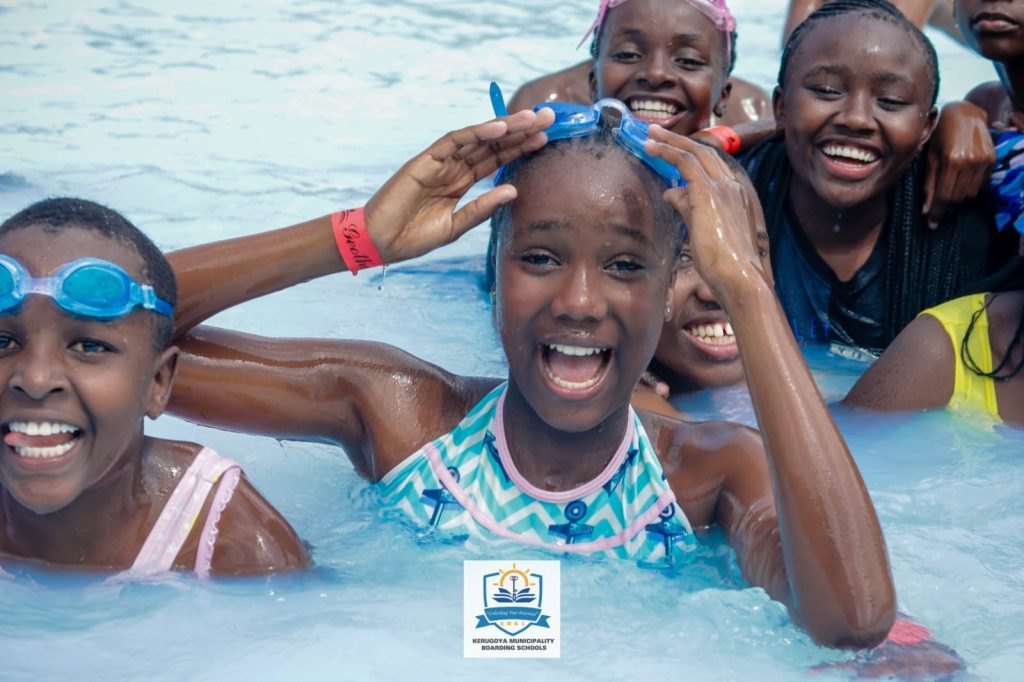
Primary boarding schools offer extensive extracurricular programs that develop the whole child. Sports, arts, music, drama, and special interest clubs provide opportunities for exploration and skill development.
The residential setting allows for activity scheduling that would be impossible in day schools. Early morning training sessions, extended rehearsals, and weekend competitions become feasible.
Students try activities they might not encounter otherwise. Fencing, rowing, pottery, coding, and debate clubs expand horizons and help children identify passions.
Participation in activities becomes expected rather than optional. This expectation helps children overcome initial reluctance and discover hidden talents.
Athletic programs teach teamwork, discipline, and physical fitness. Regular physical activity contributes to better sleep, improved mood, and enhanced academic performance.
Arts programs develop creativity and self-expression. Music, visual arts, and drama provide emotional outlets and build confidence through performance.
The variety of offerings means every child finds activities that resonate. Students aren’t limited to the few options their geographic area provides.
Extracurricular achievements build self-esteem independently from academic performance. Students who struggle academically often excel in activities, maintaining positive self-image and motivation.
Is Boarding School Right for Your Primary Student?
Deciding whether boarding school suits your child requires careful consideration of individual temperament, family circumstances, and educational priorities. Not every child thrives in residential settings.
Children who are naturally independent, adaptable, and socially confident often transition smoothly. Those who are extremely attached to parents or highly anxious may need additional preparation or may be better suited to day schools.
Family circumstances matter significantly. Families with demanding careers, frequent relocations, or unique situations may find boarding school provides stability that would otherwise be difficult to maintain.
Financial considerations are substantial. Boarding schools charge significant tuition, though many offer financial aid. Families must evaluate whether the benefits justify the investment.
Visiting schools and involving your child in the decision-making process proves essential. Children who understand and embrace the decision adjust more successfully than those who feel forced.
Many schools offer trial periods or summer programs that allow children to experience boarding life before committing. These opportunities provide valuable insights into whether the environment suits your child.
Consider your child’s specific needs and learning style. Children requiring specialized support should verify that prospective schools can accommodate those needs.
The decision should prioritize your child’s best interests rather than convenience or prestige. Some children genuinely flourish in boarding environments, while others do not.
